 Twitter
 Facebook
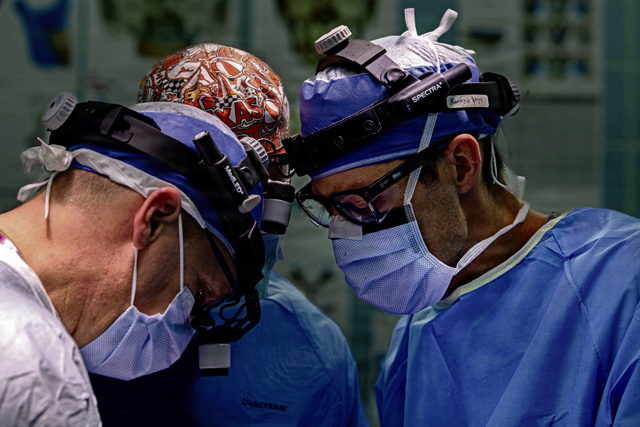
Inside an operating room at Landstuhl Regional Medical Center, the environment is quiet and controlled. Medical instruments are sprawled out with careful precision alongside the surgical team moving deliberately to prep the room. However, for Maj. Matthew Van Hoof, 86th Dental Squadron oral and maxillofacial surgeon, the work happening here is never just technical.
“We’re not mechanics,” Van Hoof said. “We’re not taking care of something without a soul; this is a human being with a family and people who love them.”
A surgeon’s day begins long before the first incision. Van Hoof runs through mental checklists as he scrubs in. He begins by reviewing the goal of the procedure and how he plans to achieve it. Preparation, he remarked, is about more than success in a surgery, it is about responsibility.
That belief guides how he approaches surgery, leadership and patient care.
Van Hoof’s journey to being a surgeon began with an interest in wanting to work with his hands and take care of people, and surgery is the culmination of both. After entering the Air Force through the Health’s Professionals Scholarship Program, he served as a general dentist before being selected for surgical residency at Brooke Army Medical Center in Texas, one of the military’s busiest trauma training environments. Along the way, he learned that technical skill alone does not define a great surgeon.
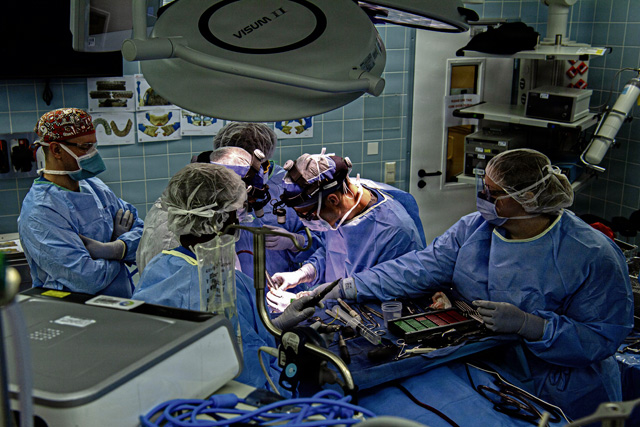
“There’s always a person on the table,” Van Hoof said. “They’re trusting you.”
Van Hoof supports dental patients at Ramstein Air Base and LRMC, where service members across all branches receive routine procedures as well as advanced medical treatment. Others come due to trauma or longterm conditions that affect how they eat, speak or function day to day.
Each case carries its own weight.
That authentic awareness shapes how he leads in the operating room. As the surgeon, he sets the tone for the entire team. Presence of mind and composure matters. Even when unexpected challenges arise, he believes that steadiness is a key aspect of the job.
“Nothing is worse than a surgeon losing their composure,” Van Hoof said. “ It affects everyone in the room.”
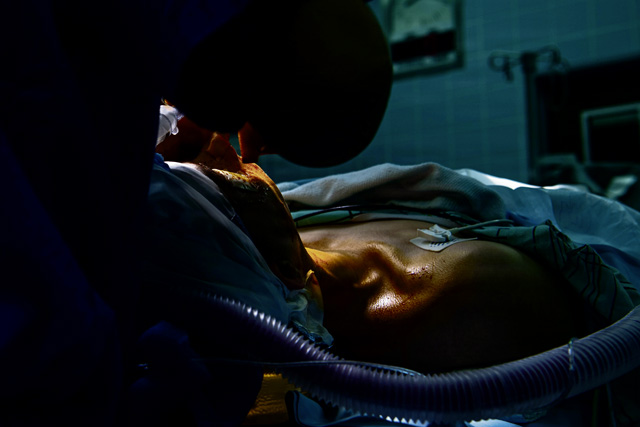
Some of the most meaningful moments in his career come from the larger corrective jaw surgeries. These patients often prepare for months or years before the surgery itself, working closely with orthodontists to have the proper diagnostics casts made before finally being rolled into the operating room.
When the healing is complete, the change is often immediate and life altering.
“You see it in how they talk, how they smile and how they carry themselves,” Van Hoof said. “That’s incredibly rewarding.”
While wisdom tooth extractions and dental implants remain part of his daily work, it is those transformative procedures that remind him why he chose this path.
“Patients pick up on how you treat them,” Van Hoof said. “They know when you see them as a person.”
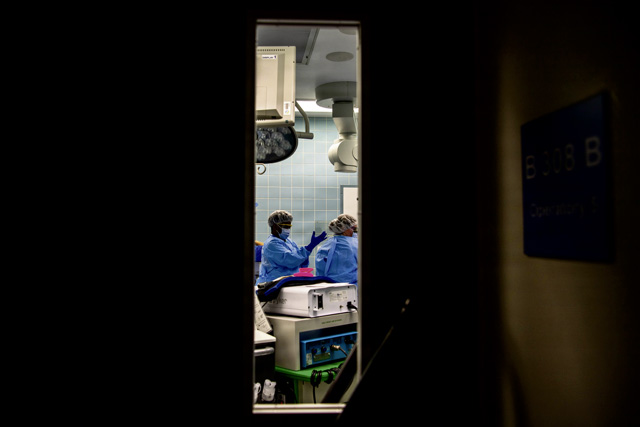
That personal connection between doctor and patient is reinforced after the surgery, when patients express gratitude once the pain has subsided and recovery begins. For Van Hoof, those moments serve as quiet affirmation.
“You don’t do this to pat yourself on the back,” Van Hoof said. “But when a patient goes out of their way to say thank you, it reminds you that what you’re doing matters.”
At LRMC, surgeons like Van Hoof operate at the intersection of skill and humanity. Behind the masks and sterile blue drapes are professionals focused not only on the procedure, but on the human being.
For Van Hoof, that understanding makes all the difference.


