 Twitter
 Facebook
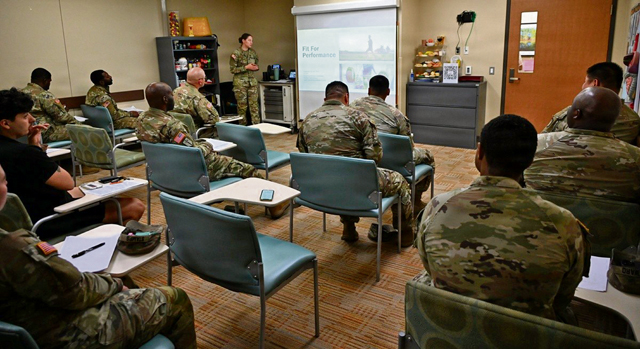
March is National Nutrition Month. As a military community, taking simple, sustainable steps toward better health through improved nutrition directly impacts medical readiness, resilience and long-term wellness.
National Nutrition Month, an annual campaign led by the Academy of Nutrition and Dietetics, highlights the critical importance of making informed food choices and developing healthy eating and physical activity habits.
Supporting readiness through nutrition
Balanced nutrition supports:
- Increased energy and physical performance
- Stronger immune function
- Improved focus and mental clarity
- Healthy weight management
- Reduced risk of chronic conditions such as heart disease, diabetes and hypertension
“For Soldiers, proper fueling enhances endurance, recovery and mission performance,” said 1st Lt. Stephanie Gay, registered dietitian nutritionist, officer-in-charge nutrition care division. “For families and retirees, healthy dietary patterns help prevent chronic disease and promote lifelong wellness.”
Small changes, big impact
Gay recommends starting with manageable steps:
- Fill half your plate with fruits and vegetables. Choose a variety of colors to ensure you’re getting essential vitamins, minerals and fiber.
- Switch to whole grains. Whole wheat bread, brown rice and oatmeal provide sustained energy and improved digestion.
- Choose lean proteins. Poultry, fish, beans, lentils and nuts support muscle repair while limiting saturated fat intake.
- Stay hydrated. Replace sugary beverages with water to improve physical and cognitive performance.
- Limit sodium and added sugars. Reducing processed foods and cooking at home more often helps control ingredients and portion sizes.
Nutrition services at CRDAMC
Community members in-ter-ested in personalized nutrition coun-sel-ing can contact the Carl R. Darnall Army Medical Center Nutrition Therapy Clinic at 254-553-4463 or 254-488-8860, or stop by the clinic located on the 2nd floor, in clinic 2 of the hospital at 590 Medical Center Rd, Fort Hood.
Additional Army nutrition resources are available through:
Army Public Health Center (Nutrition and Wellness resources) https://www.militaryonesource.mil/health-wellness/fitness-nutrition/
Soldiers with H2F integration can reach out to their unit’s Dietitian or for more information the Army Holistic Health and Fitness (H2F) Performance Nutrition teams https://h2f.army.mil/Unit-Resources/
Fort Hood Armed Forces Wellness Center https://darnall.tricare.mil/Health-Services/Public-Health/Armed-Forces-Wellness-Center One of the highlights of the clinic is the Body Composition testing performed with the BOD POD. The Armed Forces Wellness Center recently expanded their walk-in body composition testing hours. Composition testing is now available by walk-in Monday – Thursday from 1-3 p.m.
Gay emphasizes that healthy eating is not about perfection — it’s about progress.
“Small, consistent improve-ments can strengthen readiness, enhance family wellness and improve quality of life across the Fort Hood community,” she added.
This National Nutrition Month, take a step toward better health — one meal at a time.


