 Twitter
 Facebook
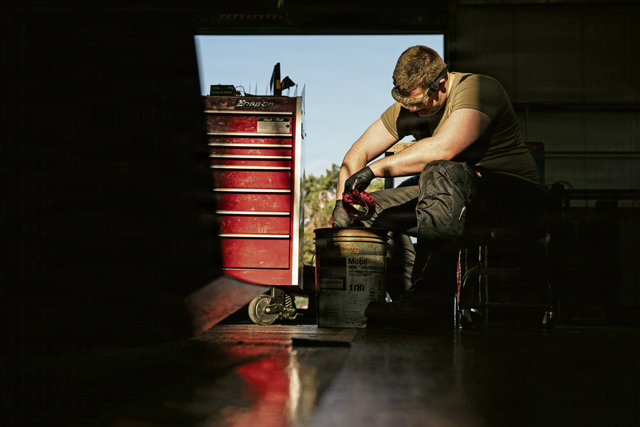
Pressure has a way of introducing itself eventually.
For a four-person shop responsible for keeping C-130J Super Hercules aircraft wheels moving back into Ramstein’s supply system, resilience is not measured by how often pressure appears. It’s measured by how the Airmen assigned to the 86th Maintenance Squadron’s wheel and tire shop respond when it does.
These Airmen see it in the worn tread patterns and damaged sidewalls of the tires, alongside wheels that have carried the load of countless takeoffs and landings. Every wheel that comes into the shop follows a different path. Some wheels move to corrosion control, others require non-destructive inspections or measurements, meaning every step depends on combined efforts.
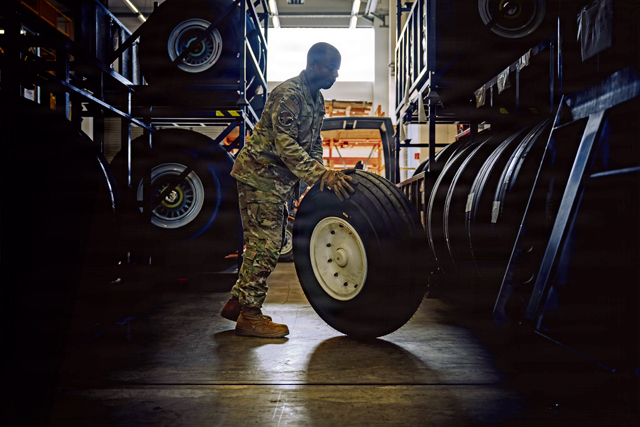
“The biggest thing is teamwork,” said Senior Airman Andrew Bolek, 86th MXS wheel and tire journeyman. “Every wheel touches multiple sections before it goes back into service, so we rely on each other to get the job done right.”
Pressure may be what the tire holds, but patience is what returns it to service.
The work itself is rarely dramatic and most days are built upon repetition. A wheel arrives, it gets broken down, cleaned and inspected allowing it to be routed, rebuilt and returned to the aircraft.
None of these steps seem particularly remarkable. Yet in May alone, the shop processed approximately $61,000 worth of nose landing gear wheels and $300,000 worth of main landing gear wheels.
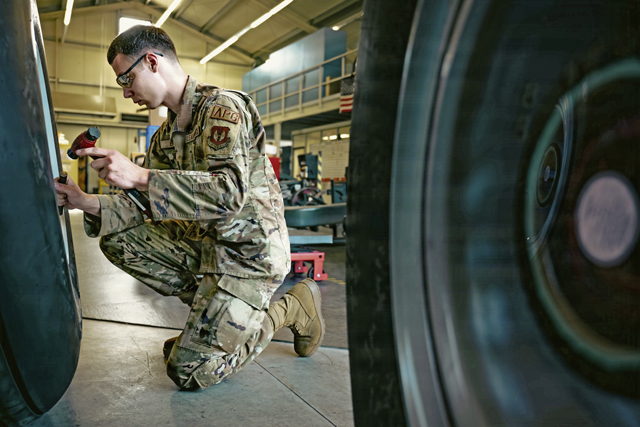
Urgency inside of the shop rarely comes from a single event, but more so an accumulation. More wheels, more inspections, more technical orders and more aircraft waiting on usable equipment.
Staff Sgt. Josiah Nave, 86th MXS repair and reclamation journeyman, describes it earnestly.
“Pressure means keeping everything running, even when it gets busy,” he said.
Maintaining consistency is critical to the mission because every wheel eventually returns back to an operational C-130J aircraft.
“We follow the technical data every time,” Nave said. “The process is there for a reason and our job is to make sure every wheel meets the standard before it leaves the shop.”
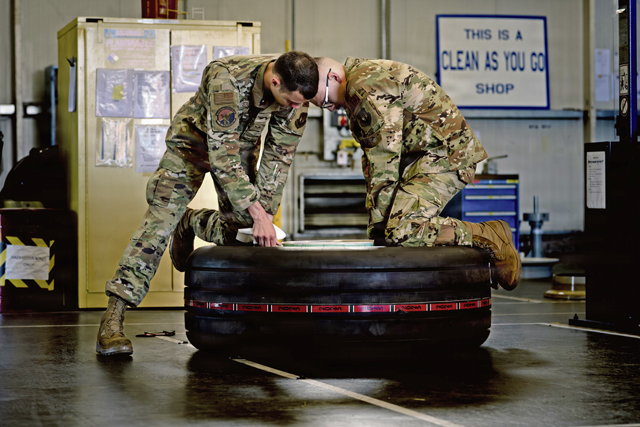
The checklists are there for a reason alongside every inspection asking the same question. The answer matters because aircraft tires carry expectations and trust rather than just pressure.
In many ways, so do the people.
“Our work directly impacts flight operations,” Bolek said. “When pilots and aircrew step onto an aircraft, they trust that every component has been inspected and maintained correctly.”
Neither aircraft tires nor people are designed to avoid pressure entirely. They’re designed to handle it.
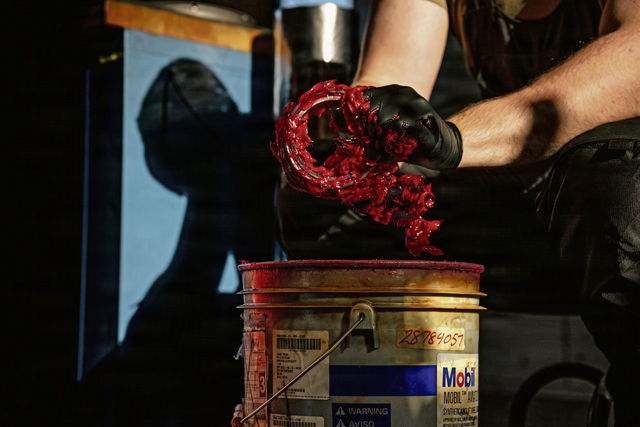
“We take pride in what we do because we know it matters,” Nave said. “At the end of the day, we’re helping keep aircraft operational and supporting the Air Force’s mission.”
On a base where aircraft launch daily and mission requirements rarely slow down, most people will never think about aircraft wheels. Although, that’s usually a sign the shop is doing its job.


